The Malaysian Palm Oil Council (MPOC) is dedicated to positioning Malaysia as the global leader in certified sustainable palm oil. MPOC prioritises the promotion of Malaysian palm oil as a healthy, sustainable, and ethical choice for consumers worldwide, by actively engaging with stakeholders, while improving market access and acceptance of the MSPO certification.
The Malaysian Palm Oil Council (MPOC) is dedicated to positioning Malaysia as the global leader in certified sustainable palm oil. MPOC prioritises the promotion of Malaysian palm oil as a healthy, sustainable, and ethical choice for consumers worldwide, by actively engaging with stakeholders, while improving market access and acceptance of the MSPO certification.
The Malaysian Palm Oil Council (MPOC) is dedicated to positioning Malaysia as the global leader in certified sustainable palm oil. MPOC prioritises the promotion of Malaysian palm oil as a healthy, sustainable, and ethical choice for consumers worldwide, by actively engaging with stakeholders, while improving market access and acceptance of the MSPO certification.
Malaysia made sustainability certification mandatory from 2020 onwards. More than 90% of our oil palm planted area is now MSPO-certified (as of April 2026). This is what compliance, traceability, and credibility look like in practice.
International Regulatory Updates
Policy Monitor
Tracking of EU, UK, US, and other regulatory developments affecting palm oil. Commentary, analysis, and Malaysia's official responses.
Everything Malaysian exporters and EU importers need on the EU Deforestation Regulation. Learn more about MPOC’s initiatives and access essential EUDR resources and references to stay informed and engaged
MPOC's flagship sustainability engagement platform. Long-form articles, smallholder profiles, certification deep-dives, and the people who make Malaysian palm oil sustainable.
The questions we hear most often from consumers, media, buyers, and critics. Click any question to open the answer.
Does palm oil cause deforestation?
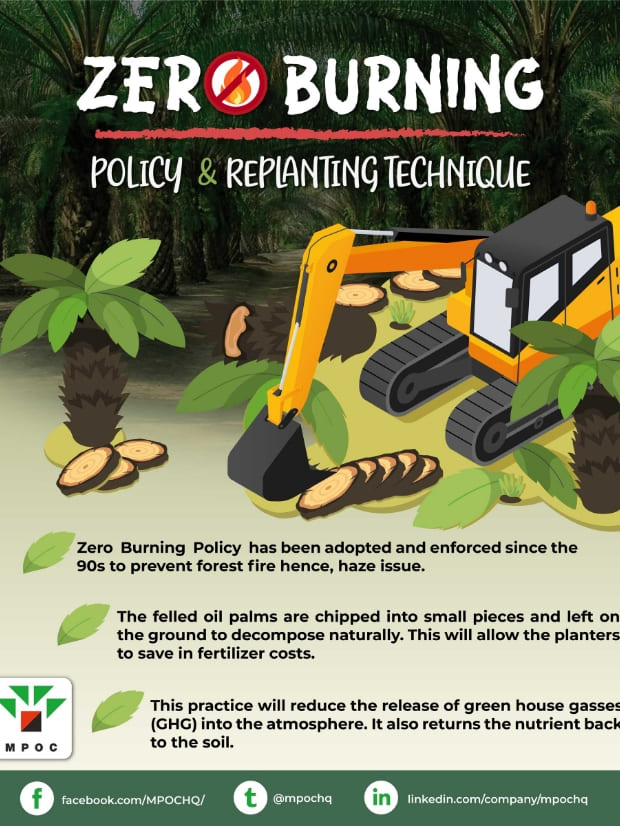
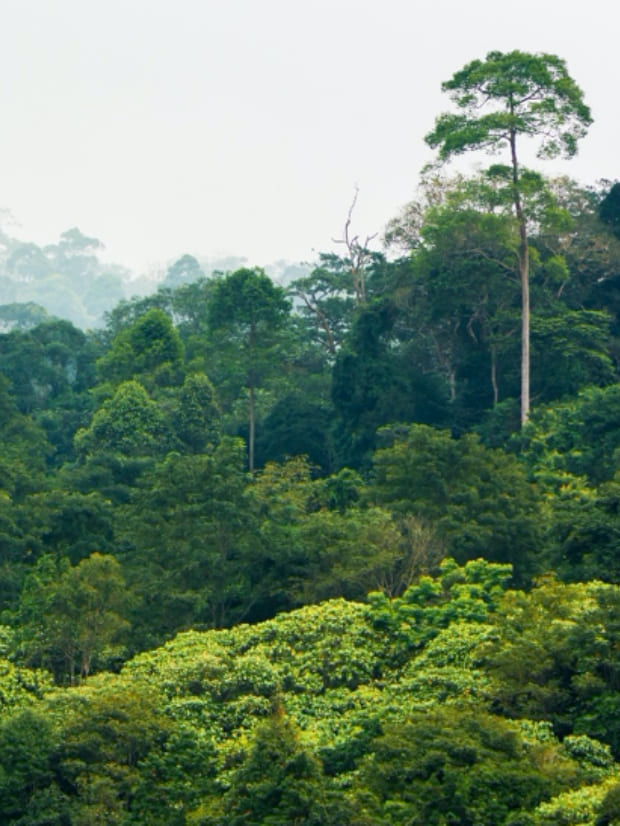
Malaysia has committed to preserving at least 50% of its land as forest, and about 55% remains forested today. Under Malaysia's sustainability rules, new planting into forests is not allowed.
What is MSPO certification and is it mandatory?
The Malaysian Sustainable Palm Oil (MSPO) is the national sustainability certification scheme for palm oil produced in Malaysia. It became mandatory from 2020 onwards, and covers environmental management, worker rights, governance, smallholder inclusion, and traceability. More than 90% of Malaysia’s oil palm planted area is now MSPO-certified (as of April 2026).
How has MSPO 2.0 raised the bar for sustainable palm oil in Malaysia?
MSPO 2.0 strengthens Malaysia’s national palm oil sustainability standard with more comprehensive environmental, social, and governance requirements aligned with global expectations.
It introduces a “No Deforestation” cut-off date of 31 December 2019, requirements for High Conservation Value (HCV) and Social Impact Assessments (SIA), enhanced labour and governance standards, and improved supply chain traceability through the e-MSPO traceability platform.
Implemented from 2025 onwards, MSPO 2.0 provides a more rigorous and traceable certification framework covering the entire industry, including smallholders and dealers.
How does MSPO support EUDR “deforestation-free” compliance?
MSPO supports alignment with the EU Deforestation Regulation (EUDR) through strengthened requirements that reinforce Malaysian palm oil’s deforestation-free production and supply chain traceability.
MSPO applies a “No Deforestation” cut-off date of 31 December 2019, which is one year earlier than the EUDR cut-off date of 31 December 2020, and prohibits conversion of natural forests, protected areas, and HCV areas for new plantings after this date.
To support compliance and due diligence expectations, MSPO is also reinforced by mandatory legal compliance requirements covering land, environmental, and labour regulations; the eMSPO digital traceability system; inclusion of smallholders within the national framework, supported by tailored MSPO requirements; and ongoing development of a national palm oil traceability platform via the soon-to-be-launched Sistem Kebolehjejakan Nasional (SKN).
These elements collectively strengthen Malaysia’s ability to provide structured information relevant to EUDR due diligence requirements.
More EUDR FAQs and information can be found on MPOC’s EUDR Resource Hub: https://www.mpoc.org.my/eudr-central-info/
What is Malaysia doing about orangutan and wildlife conservation?
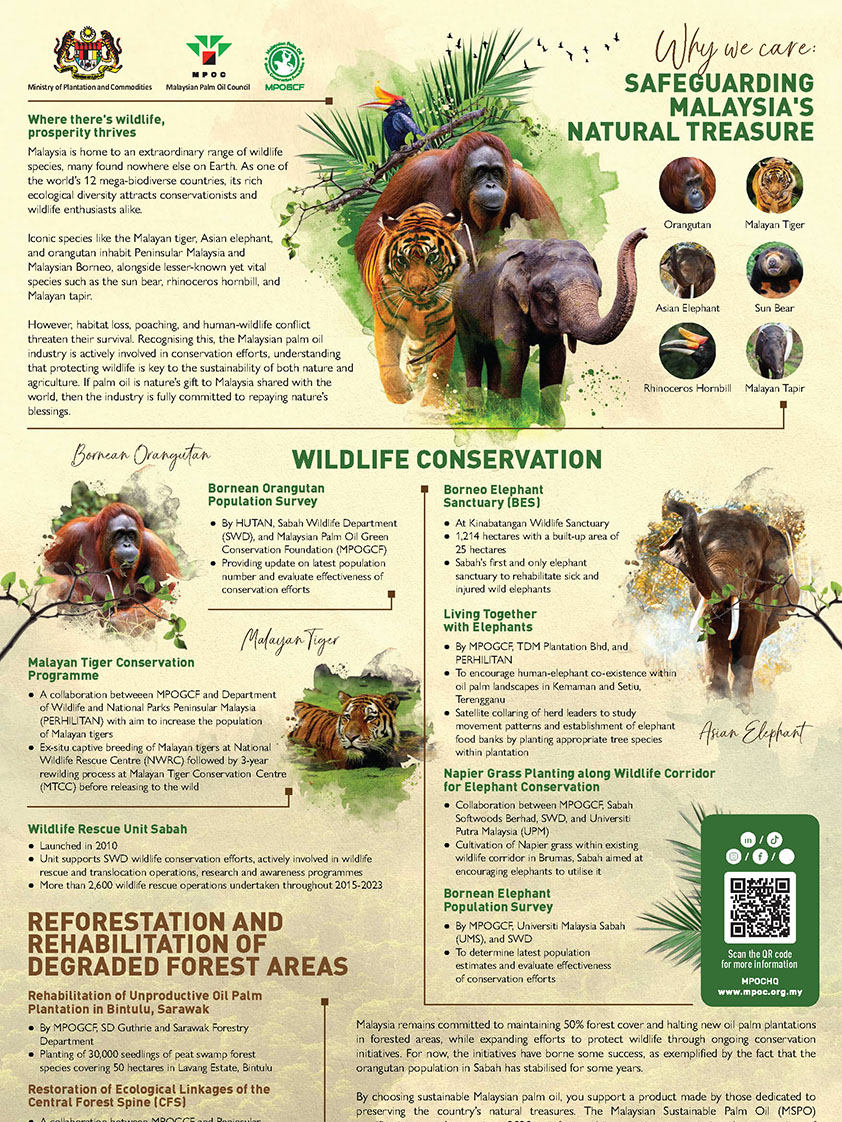
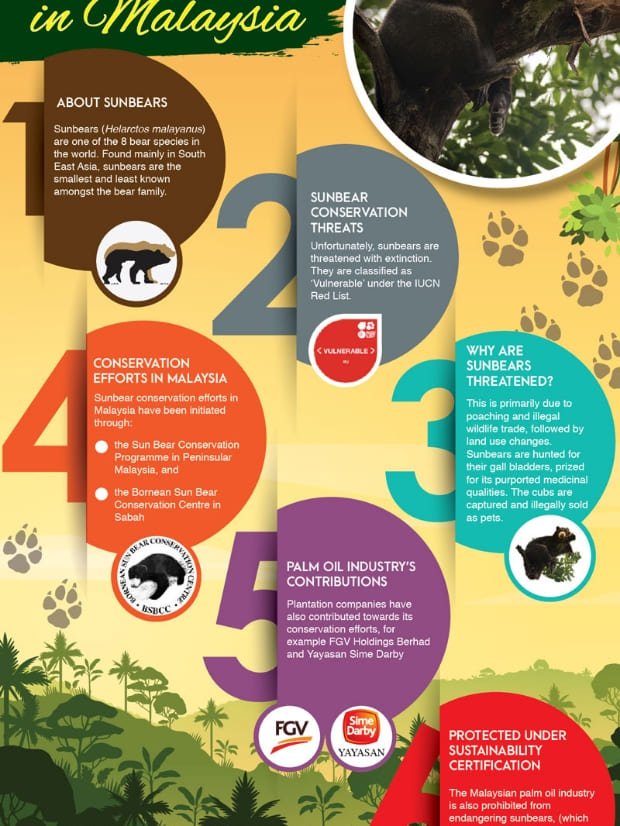
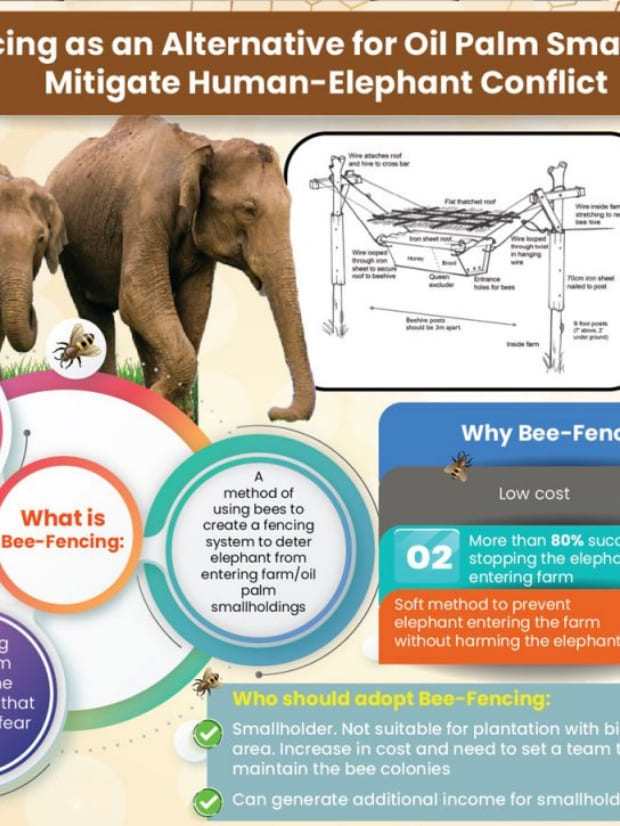
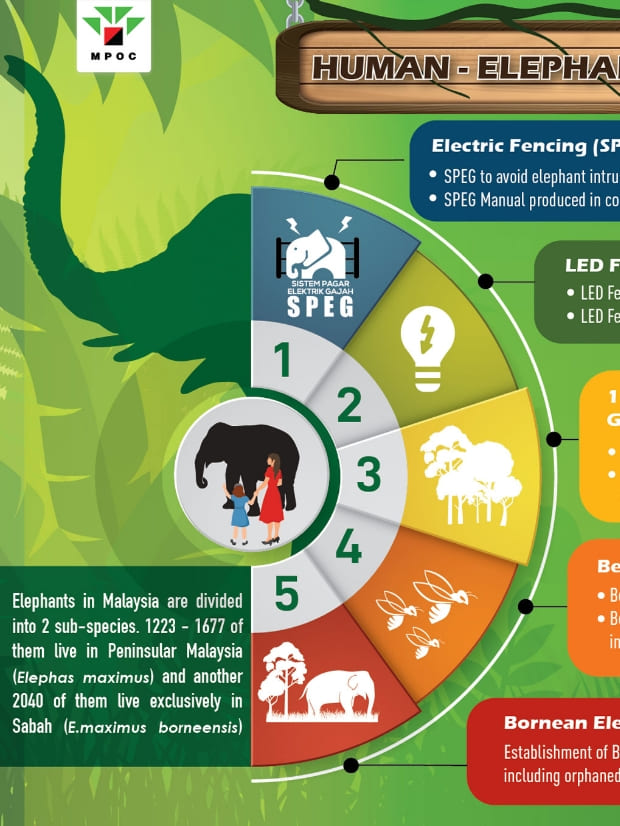
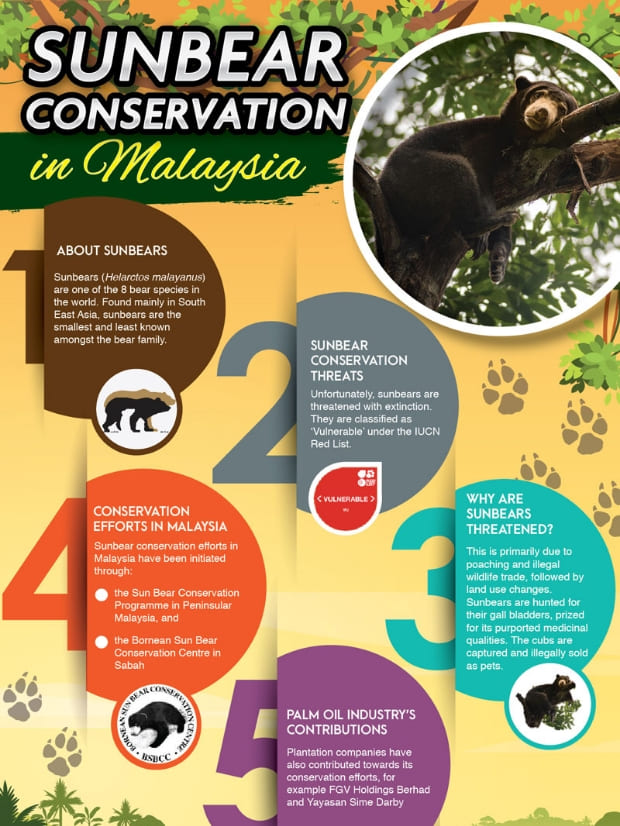
Malaysia protects orangutans and other wildlife through a combination of national policy, mandatory standards, and industry-led initiatives. The National Policy on Biological Diversity guides efforts to conserve ecosystems, strengthen ecological corridors, and integrate biodiversity into land-use planning. In the palm oil sector, the mandatory Malaysian Sustainable Palm Oil standard requires the protection of High Conservation Value areas, conservation of wildlife habitats and corridors, and prohibits conversion of natural forests after 2019. Complementing this, the Malaysian Palm Oil Green Conservation Foundation (MPOGCF) drives industry-led conservation programmes, including wildlife protection, habitat restoration, and human-wildlife conflict mitigation. Research shows that orangutans can persist in well-managed landscapes where forests are protected and connected, with populations in parts of Malaysia remaining broadly stable under current management.
How much land does oil palm actually use compared to other vegetable oils?
Oil palm occupies only between 6 to 10% of global oil-crop land while contributing approximately 35 to 40% of global vegetable oil supply, demonstrating significantly higher productivity and land-use efficiency compared with other vegetable oil sources.
Are smallholders included in Malaysia's sustainability framework?
Yes. Smallholders represent roughly 27% of Malaysia’s planted area, and around 450,000 families depend on the sector. MSPO was designed from the start to include smallholders, with tailored certification requirements, government-funded certification support, and dedicated smallholder modules. Malaysia’s framework is one of the few that treats smallholder inclusion as a core requirement rather than an afterthought.
What MPOC has done to address the EUDR issue affecting the Malaysian palm oil industry?
MPOC has undertaken numerous initiatives and sustained engagements to address the challenges posed by the EUDR, actively advocating for the Malaysian palm oil industry and highlighting its progress in sustainability and compliance readiness. To learn about this, please visit MPOC’s EUDR Resource Hub: EUDR Central Info
What happens to palm oil waste — is it a zero-waste crop?
Oil palm is a highly resource-efficient crop in commercial agriculture. The fruit yields oil, while most milling by-products are recovered and reused: empty fruit bunches are used as mulch and organic fertiliser, and in some systems are also processed for further use; palm kernel shells and fibre are used as boiler fuel for energy generation; palm trunks are utilised in plywood and bio-composite products; palm oil mill effluent (POME) can be used to produce biogas and generate renewable energy. Overall, the industry continues to move towards a zero-waste position within integrated processing systems.
Featured Content
Sustainability Content, Articles, and Publications
HUMAN RIGHTS & LABOUR ISSUES : US AUTHORITIES VISIT TO SIME DARBY PLANTATION ESTATE IN CAREY ISLAND
15 February 2023
MPOC collaborated with Sime Darby Plantation to organise a visit by US Delegation to Sime Darby Plantation Estate in Carey Island, Klang, on 15 February 2023.
The objective of the visit is to provide updates to the Delegation on the progress made by Sime Darby Plantation in addressing the forced labour and social issues within its supply chains, as well as to exchange information with industry leaders on the reforms made by the industry related to human rights, forced labour, and migrant workers.
Apart from that, it was also organised to discuss the industry’s concerns and exchange information on the issues surrounding Withhold Release Orders (WRO) and labour workers, as well as to highlight the labour and human rights reforms undertaken by the Malaysian palm oil industry.
The US Delegation was led by Ms. Anne Marie Highsmith, Executive Assistant Commissioner of US CBP, and consisted of senior officials from the US CBP, US Department of Labor, Immigration & Customs Enforcement/Homeland Security Investigations, Department of State, and the US Embassy in KL.
PROMOTING GOOD LABOUR PRACTICES : TRAINING WORKSHOPS ON LABOURS
Bengkel Pengenalan Standard MSPO (MS2530:2022) & Aspek Sosial
Dalam Perniagaan
15 February 2023
MPOC collaborated with MPOCC, Human Rights Commission of Malaysia (SUHAKAM), and International Labour Organisations (ILO) in a series of training workshop to educate oil palm smallholders around the country on the forced labour issue facing the palm oil sector and address any misinformation they might have about the issue.
In raising awareness of the labour issues, the participants were provided with information on the efforts carried out by the Malaysian Government, industry stakeholders, and human rights organisations in addressing the labour issues.











HUMAN RIGHTS & LABOUR ISSUES : US AUTHORITIES VISIT TO SIME DARBY PLANTATION ESTATE IN CAREY ISLAND
MPOC collaborated with Sime Darby Plantation to organise a visit by US Delegation to Sime Darby Plantation Estate in Carey Island, Klang, on 15 February 2023.
The objective of the visit is to provide updates to the Delegation on the progress made by Sime Darby Plantation in addressing the forced labour and social issues within its supply chains, as well as to exchange information with industry leaders on the reforms made by the industry related to human rights, forced labour, and migrant workers.
Apart from that, it was also organised to discuss the industry’s concerns and exchange information on the issues surrounding Withhold Release Orders (WRO) and labour workers, as well as to highlight the labour and human rights reforms undertaken by the Malaysian palm oil industry.
The US Delegation was led by Ms. Anne Marie Highsmith, Executive Assistant Commissioner of US CBP, and consisted of senior officials from the US CBP, US Department of Labor, Immigration & Customs Enforcement/Homeland Security Investigations, Department of State, and the US Embassy in KL.
PROMOTING GOOD LABOUR PRACTICES : TRAINING WORKSHOPS ON LABOURS
Bengkel Pengenalan Standard MSPO (MS2530:2022) & Aspek Sosial Dalam Perniagaan
MPOC collaborated with MPOCC, Human Rights Commission of Malaysia (SUHAKAM), and International Labour Organisations (ILO) in a series of training workshop to educate oil palm smallholders around the country on the forced labour issue facing the palm oil sector and address any misinformation they might have about the issue.
In raising awareness of the labour issues, the participants were provided with information on the efforts carried out by the Malaysian Government, industry stakeholders, and human rights organisations in addressing the labour issues.
Three workshops were concluded as the following: