


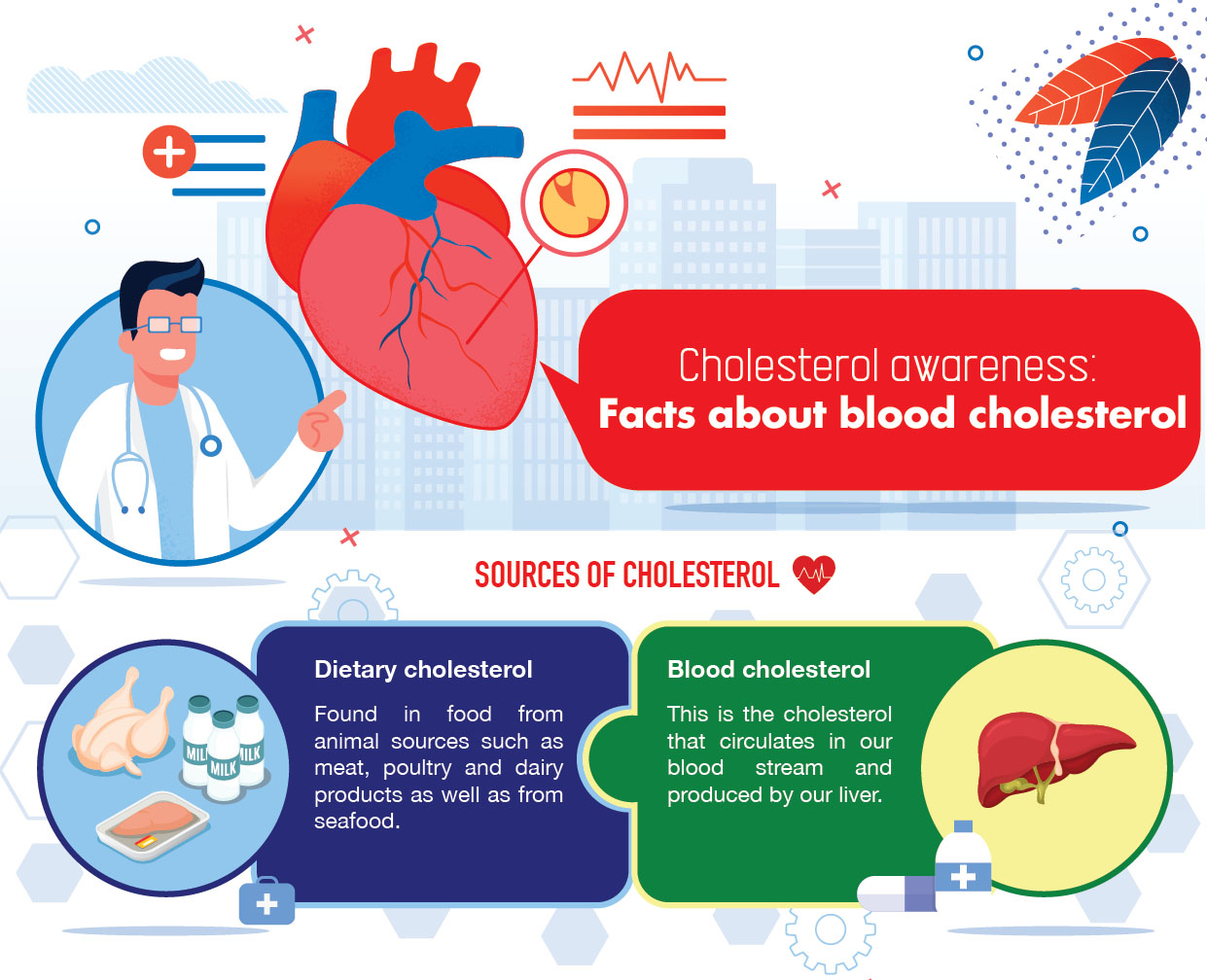
BLOOD CHOLESTEROL
Our liver produces cholesterol mostly modulated by the amount of cholesterol from the food we eat. However, cholesterol absorption from food is low, estimated at only 2 mg/100 mg cholesterol ingested. Overall, in healthy individuals, dietary cholesterol has minimal effect on circulating blood cholesterol levels.
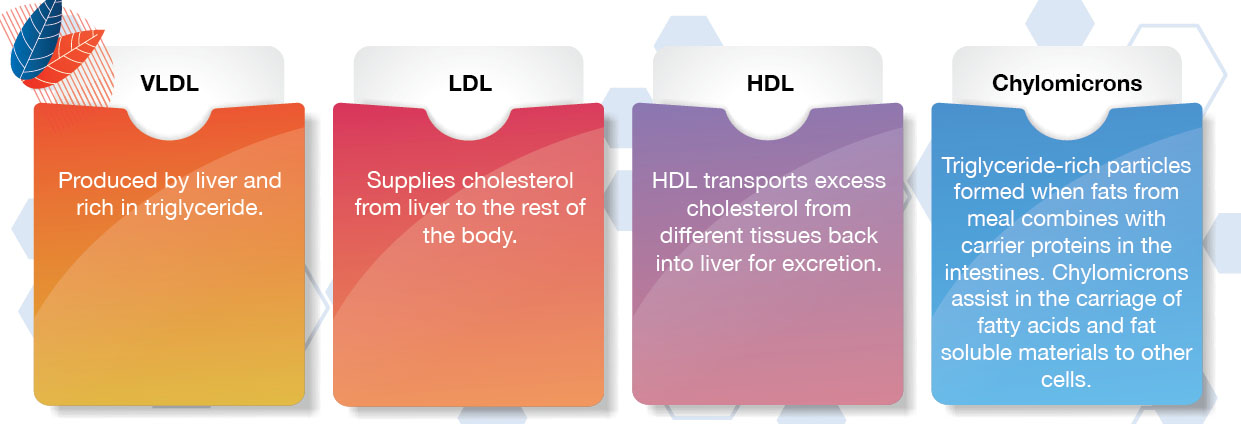
Fat and cholesterol are transported through the blood stream in protein-covered particles called lipoproteins.
There are several classes of lipoproteins :
- Very low density lipoprotein (VLDL)
- Low density lipoprotein (LDL)
- High density lipoprotein (HDL)
- Chylomicrons
MISCONCEPTION ON SATURATED FATS AND BLOOD CHOLESTEROL
It is a common misconception that saturated fats in our diet are detrimental to health. They have been suggested to elevate blood cholesterol and therefore increase the risk of heart diease.
However, current research findings show that the interactions between dietary fat, blood cholesterol and heart disease are complex and dynamic. The association of saturated fat and heart disease risk is currently less convincing scientifically.
There is more evidence showing factors other than saturated fats also promote heart disease such as inflammation, oxidative damage, life stress and sugar in our diets. Many studies showed that
refined and highly processed carbs are actually more harmful to our overall health than saturated fats.
Taking these factors into consideration, it is critical that we learn to manage our blood cholesterol levels through the consumption of a well-balanced diet. This should include recommended levels of dietary fat and saturated fatty acids.